In 2014 while studying for my IT degree, I was working at a startup tech company as the front-end developer. No one called it UX back then, but I was walking through factories and manufacturing floors, talking to real users, gathering requirements, shaping solutions, building interfaces, and running tests to make sure everything held up. The title said developer. The work said something else entirely.
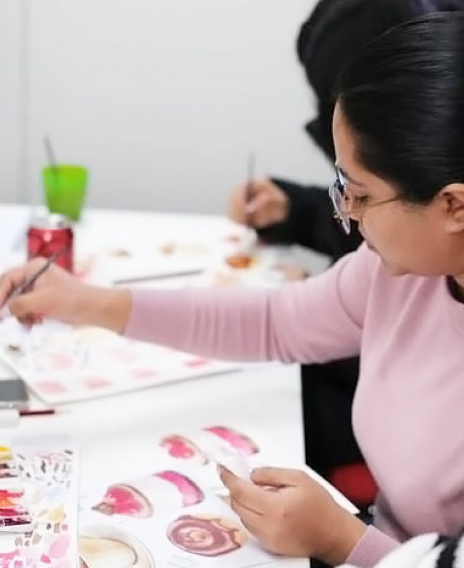

Doing field research, shaping requirements, designing solutions, building the front-end, and running quality tests all under one role, before I ever learned what any of it was called through a book or an institution. An instinct for the full picture. Later, as the first UX hire at another startup Emageia Private Limited, I owned SaaS products from research all the way through to design handover. Throughout my career I worked across multiple titles and responsibilities as a front-end developer, digital designer, web designer, and finally as a UX designer. Over ten years of juggling roles, clients, industries and expectations, each one taught me how to be resilient, adaptive, and genuinely comfortable wherever I land and deliver.
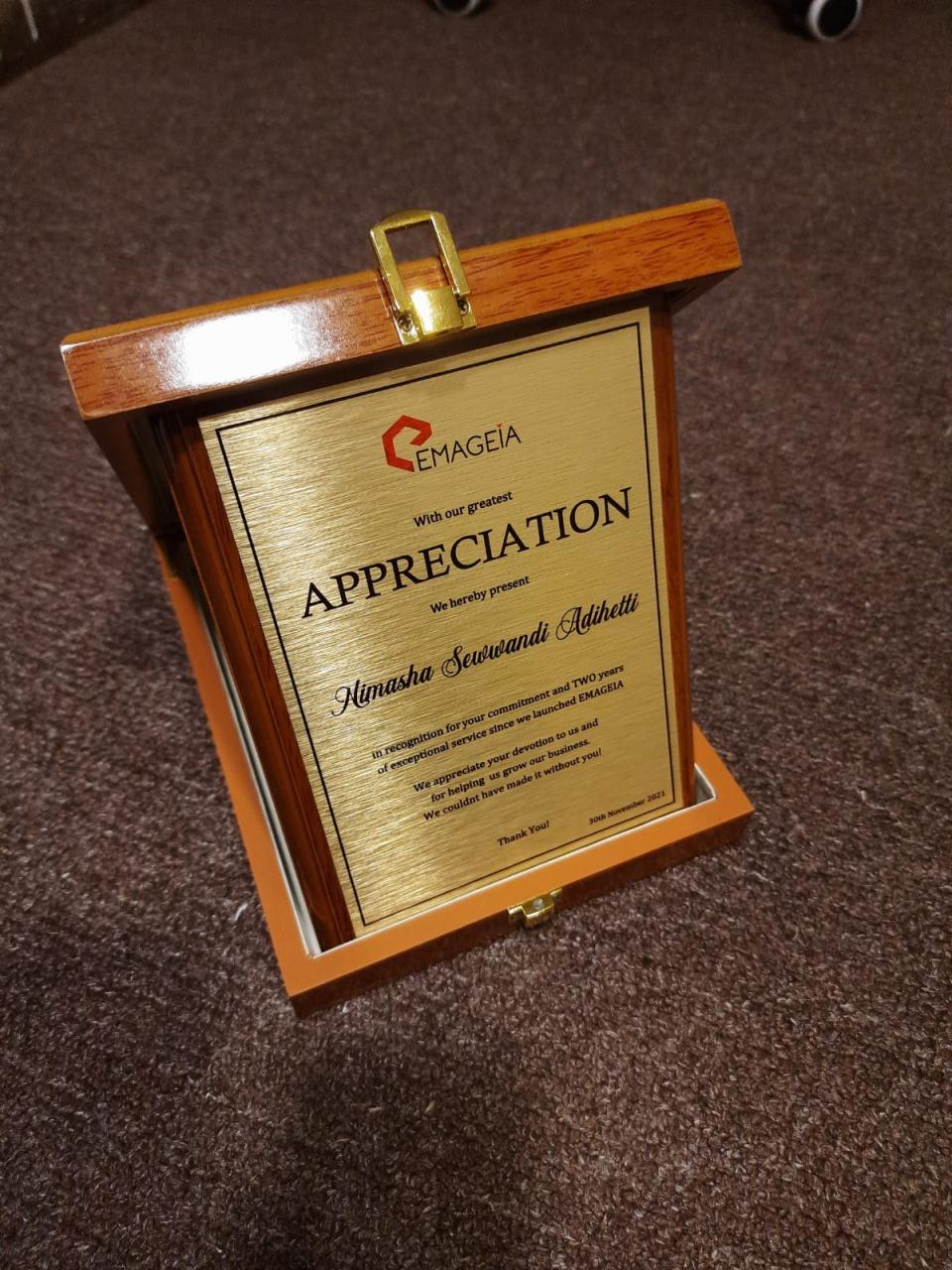
Joining companies at ground zero, before the processes, before the infrastructure, before anyone really knew what the team would become, shaped a kind of resilience and adaptability that only comes from being in the room when everything is still being figured out. You learn to build with whatever’s available, to wear roles that don’t have names yet, and to grow alongside a business that’s betting on you as much as you’re betting on them. It’s not always comfortable. But it builds the kind of designer who can walk into any situation and find a way to deliver.
Working at the Victorian Chamber of Commerce and La Trobe University gave me something unexpected. Proof that great UX doesn’t just make things beautiful, it moves real business outcomes. Conversions, rankings, and growth you can measure. And in a world where AI is reshaping design faster than most people are ready for, I started to see a gap widening between designers who style components and designers who think strategically. I knew which one I wanted to be.
Why are UX and SEO still treated as two separate worlds when they’re solving the same problem?
Claryzo is where those two worlds work as one, because what your audience needs, how they search, and what makes them convert was never a marketing problem or a design problem in isolation. I don’t design to make your site look good. I design to help your business grow through work that genuinely touches the heart of what you do.
The bigger ambition is to help UX designers step outside the design bubble entirely to learn what developers, marketers, and strategists know, and bring that back into how they work. To build Claryzo into an agency that puts real, rigorous UX back at the centre of an industry being reshaped by AI. To prove that the designers who will matter most are the ones who never stopped being curious about everything beyond design.
Quiet moments, good people, and getting lost in nature whenever I can. If you’re in Melbourne, let’s grab that coffee, I’m up for talking about anything. Just not sports. I’m genuinely terrible at it 😄
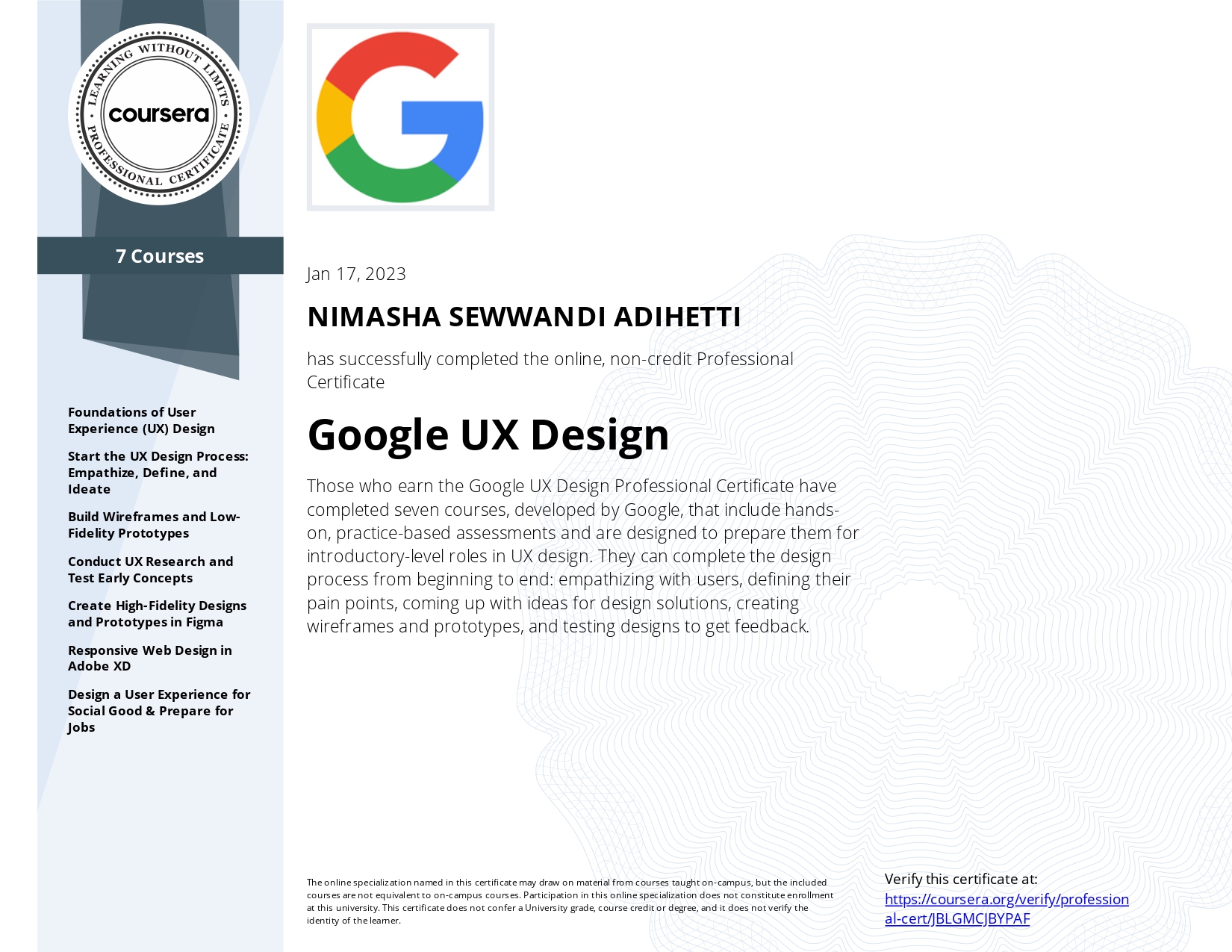
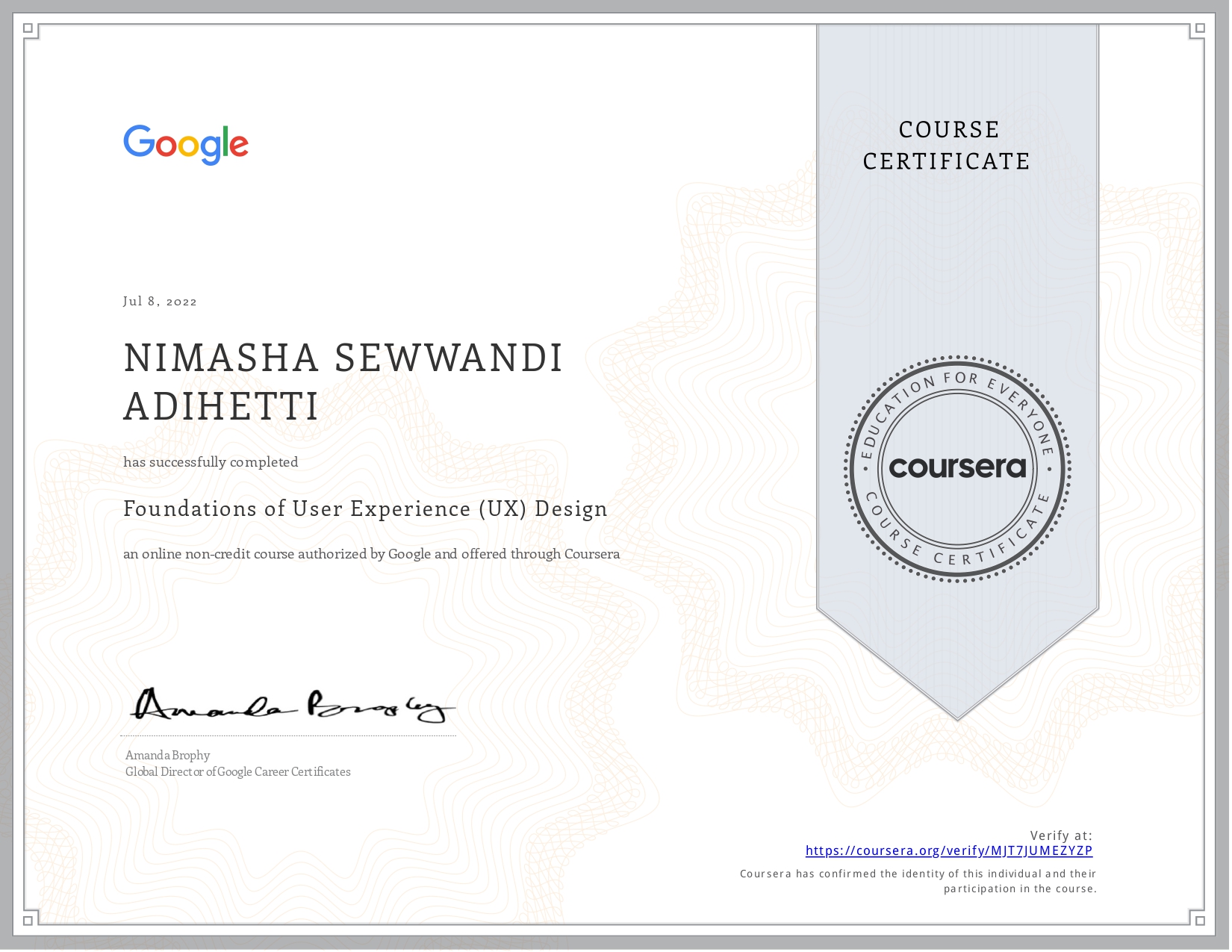
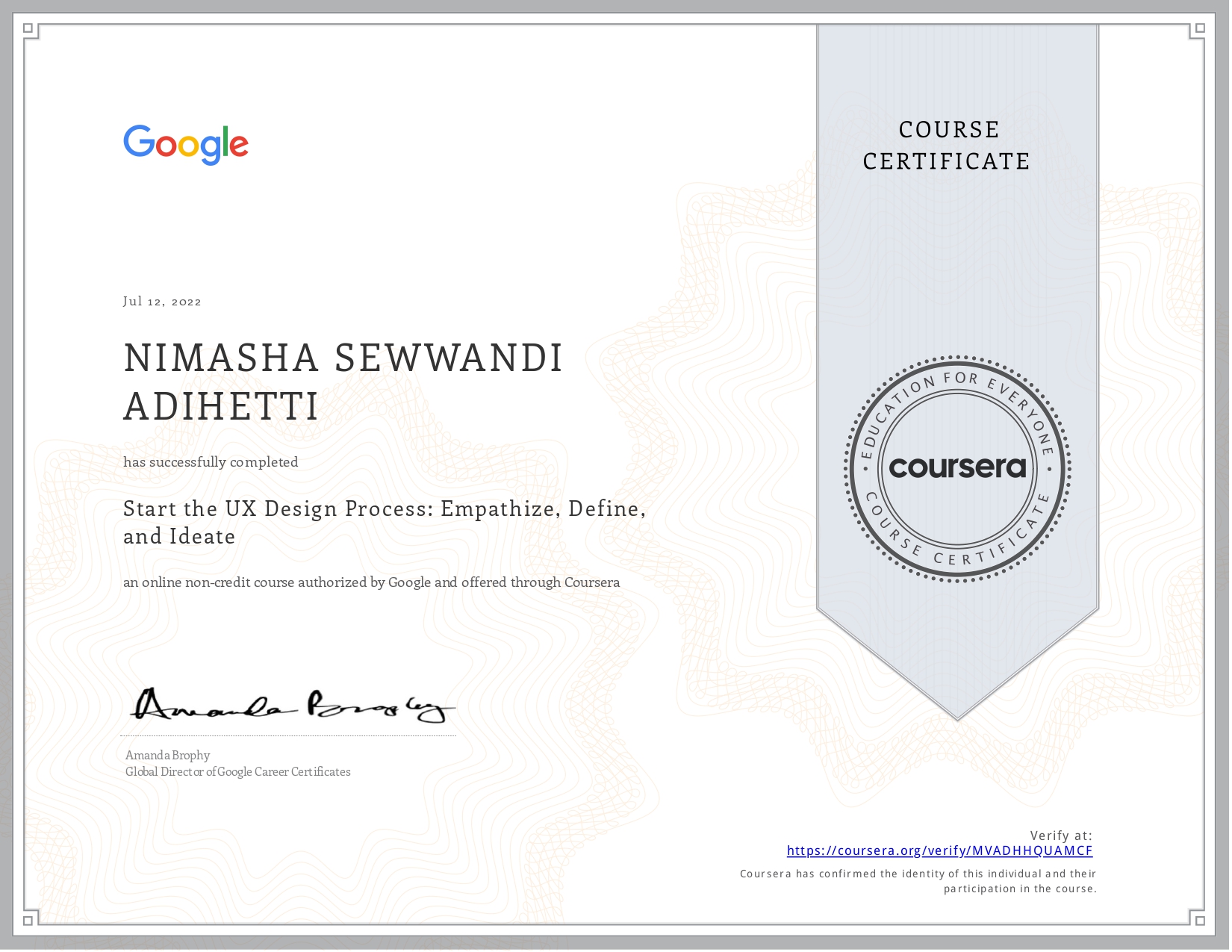
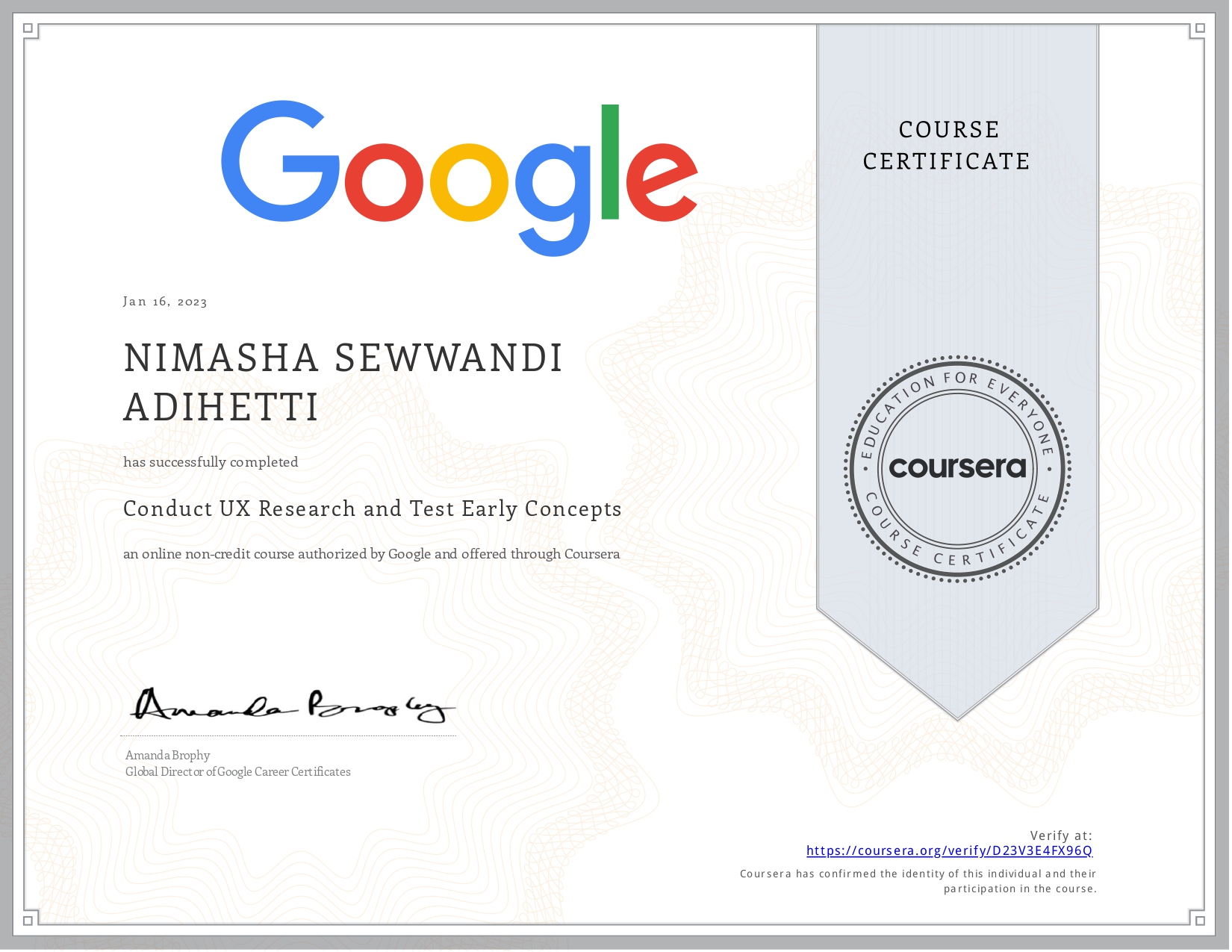
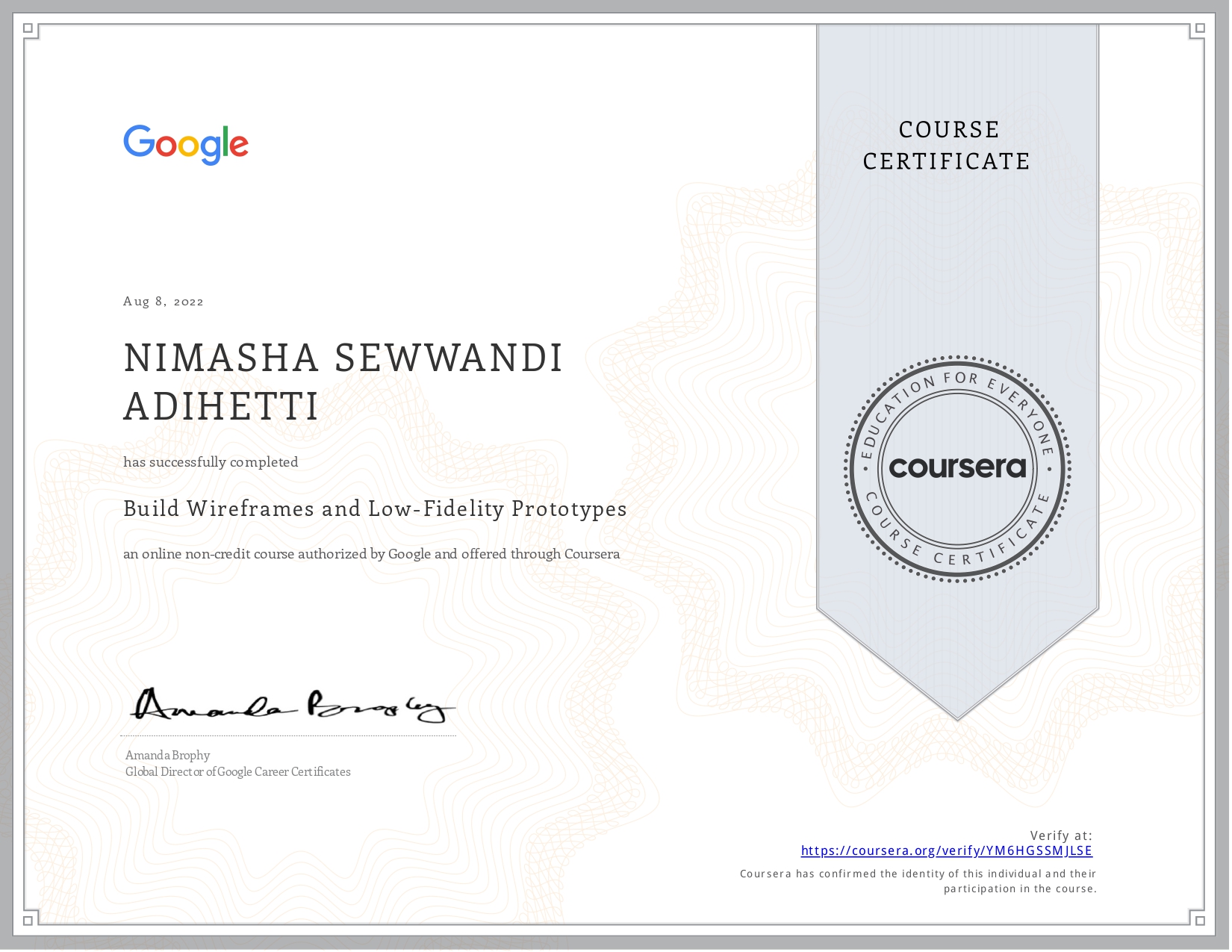
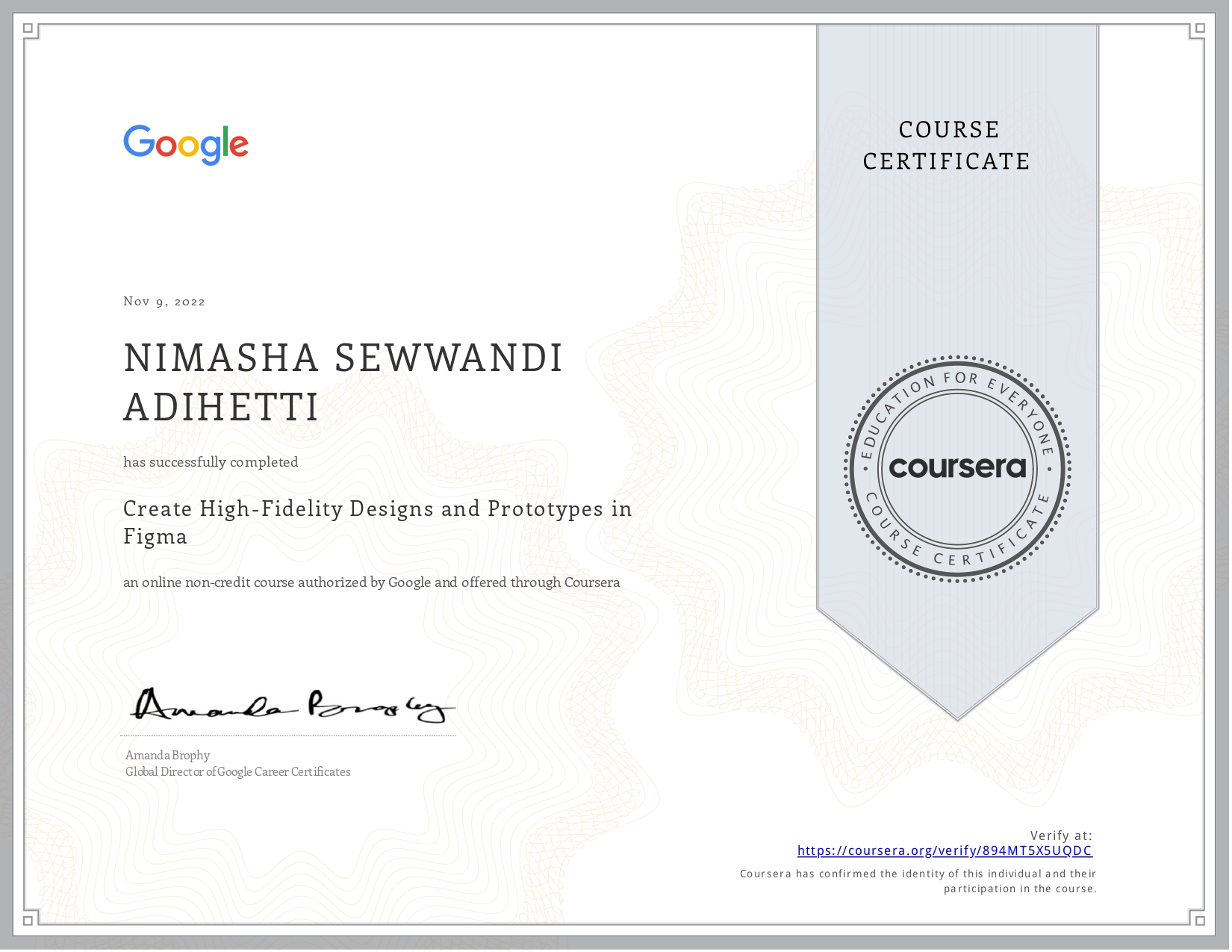
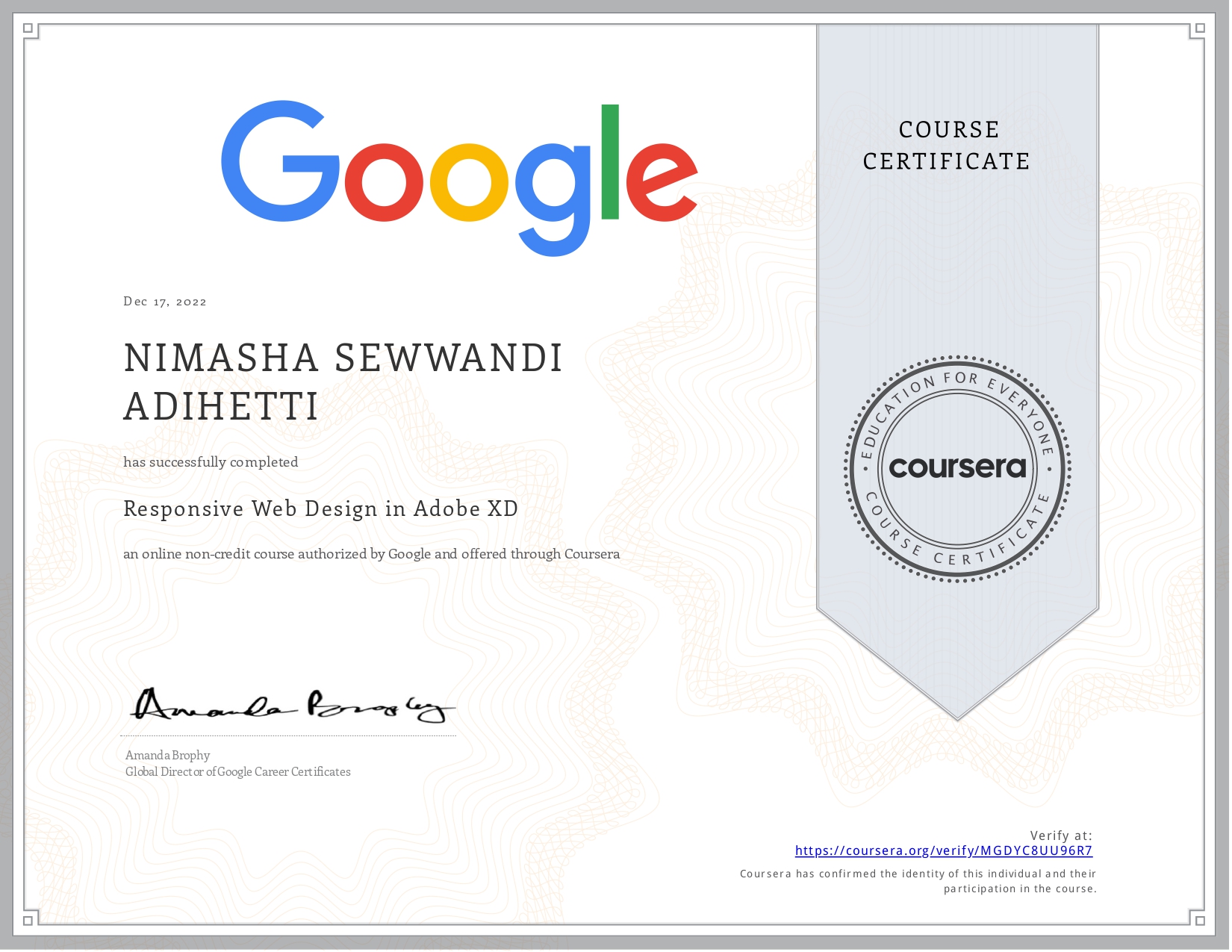
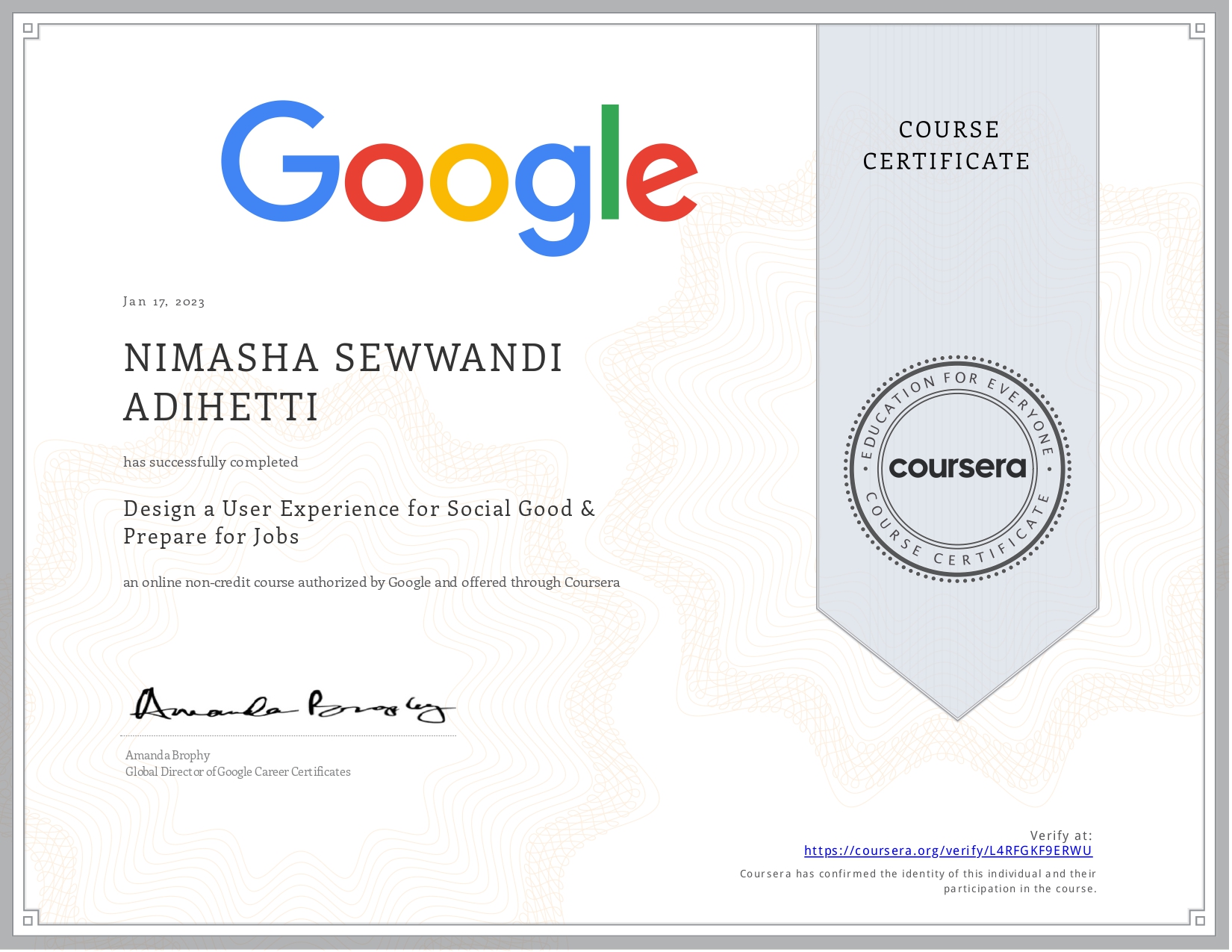

RMIT University - 2023

Google Coursera - 2021

University of Colombo School of computing - 2013
for visiting my portfolio and
contacting me!
I'll get back to you shortly! Would you like to see my case studies?